

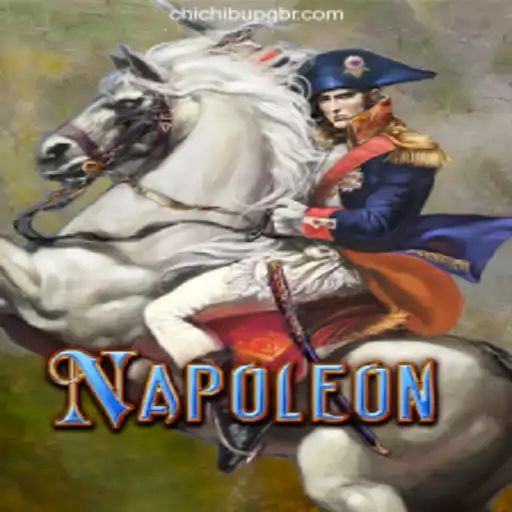
Explore the exciting world of Napoleon, a classic card game, and discover its rules, strategies, and relevance in today's gaming culture.
Exploring the Napoleon Card Game: A Classic With Modern Appeal
The Napoleon card game, known for its strategic depth and historical connections, remains a favorite among card game enthusiasts. This engaging trick-taking game draws its name from the French military leader Napoleon Bonaparte and reflects the strategic prowess he was known for.
Introduction to Napoleon
Napoleon is a trick-taking game, much like Whist or Bridge, which is believed to have originated in the early 19th century. Its name, arguably, pays homage to Napoleon Bonaparte, echoing elements of strategy and conquest. Over time, the game has retained its charm and strategic complexities, drawing in players seeking both challenge and excitement.
Understanding the Basics
The game is structured for three to seven players, each utilizing a standard 52-card deck without jokers. The objective is to accurately predict and complete a certain number of card tricks or hands. As players make their bids, the strategy unfolds, requiring a keen understanding of both the opponents' play style and the cards at hand.
The Role of the Dealer
The game commences with the dealer distributing a set number of cards to each participant, normally five. It is crucial for the dealer to shuffle well, ensuring a fair distribution of cards that adds an element of skill and chance to the game.
The Bidding Process
The core of Napoleon revolves around the bidding phase, where players declare their intentions regarding the number of tricks they aim to win. The player who bids the highest becomes the 'Napoleon' for that round, undertaking to win the stated number of tricks. This phase demands strategic foresight, as players must weigh their hand’s potential against the uncertainty of others’ cards.
Tactical Bidding
Successful bidding requires a blend of confidence and prudence. Overbidding can lead to failure in meeting the required tricks, whereas underbidding might allow opponents to seize opportunities. Therefore, careful assessment of one’s hand and astute observation of others are key components during the bidding stage.
Executing the Game Plan
Once the bidding concludes, the Napoleon leads the first trick, followed by others in a clockwise sequence. Players must adhere to the suit led by the first card if they possess it, or else they can opt to use a different card. Winning a trick involves playing the highest card of the leading suit or alternatively using a trump card deemed higher.
Strategic Play
The post-bidding phase requires tactical finesse. Napoleon must carefully lead with cards that maximize their trick-winning potential while anticipating and counteracting opponents' moves. Conversely, other players collaborate covertly to prevent Napoleon from achieving their bid, making strategic alliances a pivotal element of gameplay.
The Role of Trumps
In certain variations of Napoleon, a trump suit can be established, which holds superiority over other suits. This aspect amplifies the strategic dimension, as players must judiciously use trump cards to either capture tricky hands or defend against adversarial plays.
Winning Conditions and Scoring
Success in Napoleon is measured by the fulfillment of one’s declared bid. Should the Napoleon succeed, they score points equivalent to their bid, solidifying their prowess and strategic acumen. Failure, however, results in a penalty that underscores the high-stakes nature of the game.
Current Relevance and Popularity
The timeless appeal of Napoleon as a card game endures beyond traditional settings, finding relevance in today’s digital gaming platforms such as CHICHIBUPG. These platforms enhance accessibility, inviting new enthusiasts to experience the depth and excitement Napoleon offers.
Integrating Modern Gaming Practices
As online gaming continues to expand, platforms like CHICHIBUPG offer robust environments that maintain the integrity and competitive essence of traditional games like Napoleon. These platforms leverage technology to bring together players from across the globe, creating a dynamic community engaged in timeless strategic gameplay.
The digital adaptation of Napoleon aligns with current gaming trends, facilitating seamless interactions while preserving the game’s original spirit. This convergence of traditional card games and modern technology highlights the evolving landscape of gaming, ensuring classics like Napoleon remain relevant and engaging for future generations.



0 Comentários